

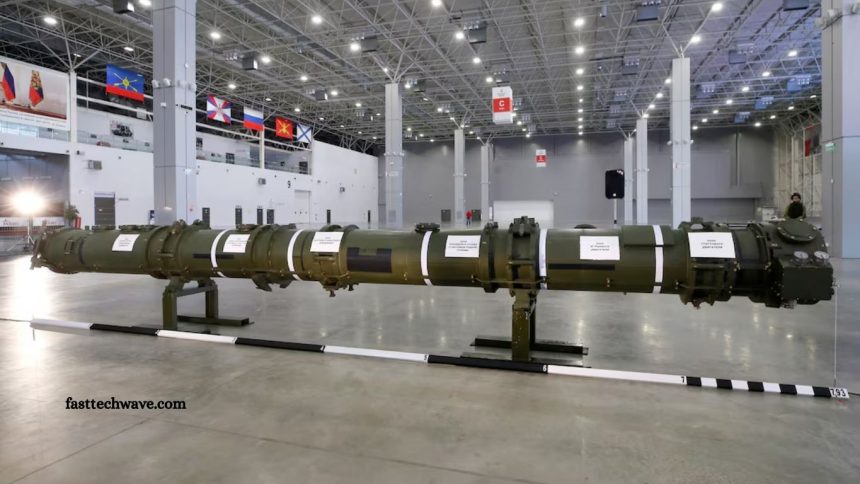
In a major development, Ukraine’s officials confirmed that the 9M729 missile — a ground‑launched cruise missile that prompted the United States to withdraw from the Intermediate-Range Nuclear Forces (INF) Treaty — has now been used in combat in Ukraine.
- What Is the 9M729 — And Why It Matters
- Kyiv’s Accusation: “A Trump-Era Warning Realized”
- Implications for the War in Ukraine and European Security
- Immediate Threat to Ukrainian Cities and Infrastructure
- A Warning for Europe and NATO
- Repercussions for Arms Control
- What Russia and the U.S. Are Saying — and Not Saying
- What This Means for Ukraine’s Strategy — And the Future of the Conflict
- Frequently Asked Questions
- What is the 9M729 missile?
- Why did the U.S. withdraw from the INF Treaty?
- Has Russia officially used the 9M729 in Ukraine?
- What are the risks of the 9M729 missile?
- How does this affect European security?
- Could this lead to a wider conflict?
- Conclusion:
This marks the first official confirmation that the 9M729 has been fired in Ukraine. Kyiv officials say Russia launched it in recent months, signaling a significant escalation in the ongoing war.
For many observers, this is more than just another strike. It highlights how the collapse of decades-old arms control agreements, once seen as safeguards for global stability, is now playing out directly on the battlefield.
Read More :German Business Activity Unexpectedly Surges the Most Since 2025
What Is the 9M729 — And Why It Matters
The 9M729 is not an ordinary short-range missile. Analysts have long argued that its actual range far exceeds the 500 km limit stipulated under the INF Treaty, potentially reaching up to 2,500 km.
Back in 2019, citing these alleged violations, the United States under then-President Donald Trump withdrew from the INF Treaty — a landmark Cold War-era agreement signed in 1987 that had banned all ground-launched missiles with ranges between 500 and 5,500 km.
Russia had denied that the 9M729 violated the treaty’s limits. But with its confirmed combat use in Ukraine, many believe those prior concerns have now been vindicated, albeit in tragic form.
Moreover, the 9M729 is dual-capable, able to carry either conventional or nuclear warheads, dramatically amplifying its strategic significance.
Kyiv’s Accusation: “A Trump-Era Warning Realized”
According to Ukrainian officials, the deployment of the 9M729 in Ukraine validates the original U.S. concerns that led to the INF Treaty withdrawal.
Kyiv emphasizes that Russia’s use of this missile demonstrates Moscow’s disregard for diplomatic efforts and global arms-control norms.
Since August 2025, Ukraine reports that Russia has launched the 9M729 at least 23 times, with some missiles flying over 1,200 km before striking targets deep inside Ukraine. This confirms its long-range capabilities and the escalating threat posed to Ukrainian territory.
Implications for the War in Ukraine and European Security
Immediate Threat to Ukrainian Cities and Infrastructure
With the 9M729 capable of being fitted with conventional warheads, it provides Russia with a long-range strike option able to target towns, cities, and critical infrastructure well beyond the reach of many existing air-defense systems.
This creates an urgent need for Ukraine to acquire advanced air-defense systems and long-range counter-strike weapons to protect key areas and supply lines.
A Warning for Europe and NATO
The missile’s estimated range — potentially up to 2,500 km — also raises concerns for European security. Countries that were previously considered out of range of Russian missiles may now be within striking distance, altering the continent’s threat perception.
Repercussions for Arms Control
The confirmed use of a missile that triggered the collapse of a major arms-control pact may further undermine existing agreements. Treaties such as New START are already under strain, with some participation suspended or contested.
The use of the 9M729 demonstrates how quickly treaty-based restraints can erode, transforming regional conflicts into broader security concerns.
What Russia and the U.S. Are Saying — and Not Saying
Russia has not issued a public response to Ukraine’s claims regarding the missile strike.
In the United States, some officials view the missile’s deployment as justification for the 2019 decision to exit the INF Treaty. Its use may be cited as a reason to strengthen NATO missile defenses or deploy long-range strike capabilities for allies.
At the same time, the confirmation increases pressure on European governments to reassess their security posture, particularly in regions within the missile’s potential reach.
What This Means for Ukraine’s Strategy — And the Future of the Conflict
For Ukraine, the presence of the 9M729 missile reshapes both defensive and offensive planning.
On the defensive side, Ukraine must prioritize protecting population centers and critical infrastructure through modern air-defense and counter-battery systems. On the offensive side, the country seeks long-range precision strike weapons to deter or retaliate against attacks.
Ukraine has publicly called for the supply of long-range weapons, which could allow strikes deeper into Russian-controlled territory. This, however, raises the stakes, as wider-range weaponry could escalate retaliation risks and potentially increase nuclear escalation concerns.
For Europe, the 9M729 represents a shift in threat perception. Countries once considered far removed from the conflict may now need to enhance their defense budgets and civil preparedness measures.
Frequently Asked Questions
What is the 9M729 missile?
The 9M729 is a ground-launched cruise missile developed by Russia. It can carry either conventional or nuclear warheads and is believed to have a range exceeding the limits set by the INF Treaty.
Why did the U.S. withdraw from the INF Treaty?
The United States, under President Trump in 2019, withdrew from the INF Treaty due to alleged Russian violations, specifically the development and deployment of the 9M729 missile, which the U.S. argued exceeded allowed ranges.
Has Russia officially used the 9M729 in Ukraine?
Yes, Ukrainian officials have confirmed that Russia has launched the 9M729 missile in Ukraine multiple times in recent months, marking its first confirmed use in combat.
What are the risks of the 9M729 missile?
The missile’s long range allows Russia to target critical infrastructure and population centers deep inside Ukraine. Its dual capability for conventional or nuclear warheads also raises the stakes for potential escalation.
How does this affect European security?
Because the 9M729 has an estimated range of up to 2,500 km, some European countries that were previously considered out of range may now be within striking distance, prompting concerns about regional security and NATO preparedness.
Could this lead to a wider conflict?
The deployment of long-range missiles like the 9M729 increases the risk of escalation, potentially drawing in other nations and raising tensions in Europe. It underscores the fragility of existing arms-control frameworks.
Conclusion:
The use of the 9M729 missile in Ukraine marks a sobering moment. Arms control agreements that were designed to prevent nuclear escalation are no longer theoretical safeguards — they are relics of a past era. For Ukraine, the missile strike underscores the reality of long-range warfare within the conflict. For Europe and the world, it raises pressing questions about security, deterrence, and how to prevent the situation from escalating into a larger confrontation.