

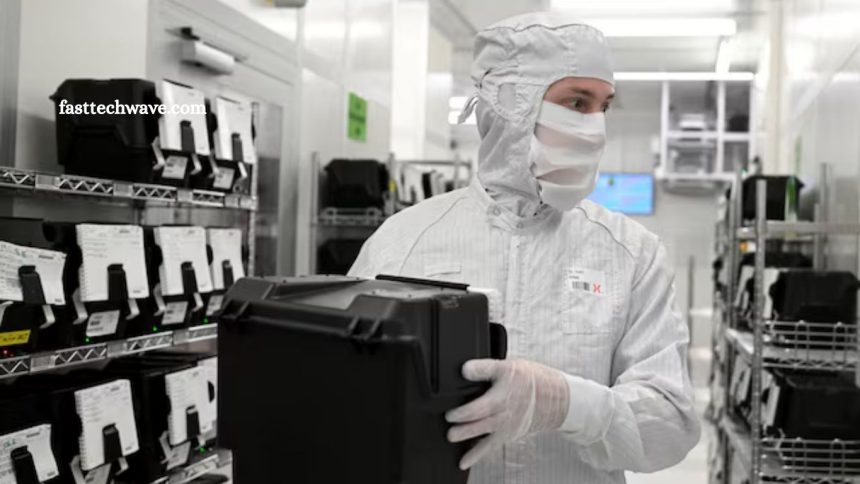
The global chip shortage over the past few years exposed major weaknesses in the supply chain of nearly every industry. However, the automotive sector—especially in Germany—felt the pressure more intensely than most. With modern cars depending on hundreds of semiconductors for safety systems, sensors, connectivity features, and electric vehicle components, even minor disruptions in chip supply can halt entire production lines.
- Why Germany’s Auto Sector Needs a Chip Information Platform
- 1. Deep Dependency on Semiconductors
- 2. Lessons Learned From the Global Chip Shortage
- 3. National and EU-Level Pressure
- What Is the Temporary Chip Information Platform?
- How the Platform Works: A Practical Breakdown
- 1. Data Collection and Forecasting
- 2. Early Warning System
- 3. Secure, Controlled Sharing
- 4. Collaborative Problem-Solving
- Why the Platform Matters for Germany’s Automotive Future
- 1. Protecting Production Stability
- 2. Supporting Electric Vehicle Expansion
- 3. Strengthening Germany’s Global Competitiveness
- 4. Encouraging Investment in European Chip Manufacturing
- Which Industries and Stakeholders Will Benefit?
- Challenges the Platform Might Face
- How This Platform Fits Into Global Semiconductor Strategy
- Future Outlook: What Happens After This Platform Launches?
- 1. A Permanent Automotive Chip Dashboard
- 2. Integration With European Semiconductor Networks
- 3. Support for Local Chip Manufacturing
- 4. Smarter Supply-Chain Technologies
- Frequently Asked Questions
- Why is the German auto industry creating a chip information platform?
- Is the chip information platform permanent?
- Who will benefit from this platform?
- What type of information will the platform share?
- How will the platform help prevent supply shortages?
- Will the platform support electric vehicle production?
- Is participation mandatory for automakers and suppliers?
- Conclusion
To strengthen resilience and improve visibility across their supply chain, the German auto industry has announced a temporary chip information platform. This initiative aims to help automakers, suppliers, and semiconductor companies collaborate more efficiently, reduce uncertainty, and prevent the type of production bottlenecks seen during the 2020–2023 supply crunch.
In this in-depth analysis, we’ll explore why this platform is being developed, how it will function, who will benefit from it, and what it means for the future of automotive manufacturing in Germany.
Read More: Hurricane Melissa Death Toll Rises to 46 Across Caribbean as Recovery Efforts Underway
Why Germany’s Auto Sector Needs a Chip Information Platform
1. Deep Dependency on Semiconductors
The transformation toward electric mobility, autonomous driving, and connected systems has dramatically increased the automotive industry’s reliance on chips. Even a basic modern vehicle uses between 1,200 to 1,500 chips, while EVs and high-end models rely on many more.
Germany, home to engineering powerhouses like Volkswagen, BMW, and Mercedes-Benz, is at the forefront of this transformation. However, this progress comes with vulnerability:
- Supply bottlenecks can halt production
- System integration delays affect launch timelines
- Cost fluctuations disrupt procurement budgets
The industry cannot afford another global semiconductor crisis, making supply-chain transparency essential.
2. Lessons Learned From the Global Chip Shortage
During the pandemic, German automakers faced massive production delays because:
- Chip suppliers could not forecast demand accurately.
- Automakers lacked visibility into semiconductor inventories.
- Dependencies on Asian chip manufacturers increased risk.
- Just-in-time manufacturing left no room for error.
The upcoming platform is designed to prevent these communication gaps and provide early warnings about potential shortages.
3. National and EU-Level Pressure
The European Union is encouraging greater semiconductor independence through the EU Chips Act, which aims to double Europe’s global chip production share by 2030. Germany is aligning with this vision by strengthening coordination among stakeholders and reducing dependency on external sources.
What Is the Temporary Chip Information Platform?
The planned platform is a central digital hub where semiconductor suppliers, Tier-1 providers, and automakers can share:
- Supply forecasts
- Inventory statuses
- Planned production volumes
- Potential risks
- Demand projections
It will not store sensitive or competitive information but will focus on aggregated, anonymized data to protect confidentiality while giving everyone visibility into overall market conditions.
Key Objectives of the Platform
- Improve transparency in semiconductor supply chains
- Enable early risk detection
- Provide real-time updates on supply-demand dynamics
- Facilitate better planning for automakers
- Strengthen collaboration among industry partners
Why Is It “Temporary”?
The platform will operate as a short- to medium-term solution until long-term structural improvements—such as new chip factories, diversification of suppliers, and improved forecasting technologies—are fully deployed.
It acts as a bridge between current vulnerabilities and future resilience.
How the Platform Works: A Practical Breakdown
1. Data Collection and Forecasting
Manufacturers and suppliers will upload data related to:
- Semiconductor output schedules
- Order backlogs
- Delivery availability
- Raw material constraints
AI-based forecasting tools will help process this data and identify emerging patterns.
2. Early Warning System
If a specific chip type shows early signs of shortage, alerts will be generated, allowing automakers to:
- Adjust procurement plans
- Modify production schedules
- Find alternative solutions before disruption occurs
3. Secure, Controlled Sharing
Only aggregated, non-competitive insights will be visible. This ensures:
- Protection of business secrets
- Trust among participants
- Compliance with competition laws
4. Collaborative Problem-Solving
In case of bottlenecks, stakeholders can collaborate to:
- Redistribute supply
- Balance production loads
- Explore alternate chip designs
- Coordinate logistics
Why the Platform Matters for Germany’s Automotive Future
1. Protecting Production Stability
German automakers lost billions during the last chip crisis due to stopped assembly lines. This platform helps prevent shutdowns and maintain consistent output.
2. Supporting Electric Vehicle Expansion
EV production requires more advanced chips for:
- Battery management
- Power electronics
- Thermal control
- Autonomous features
With EV demand increasing, consistent chip supply is essential. This platform supports the scaling of EV manufacturing smoothly.
3. Strengthening Germany’s Global Competitiveness
Other countries—including China, South Korea, and the U.S.—are heavily investing in semiconductor independence. If Germany does not improve its chip supply chain, it risks losing its competitive edge.
This platform helps German automakers stay ahead by ensuring their production systems remain flexible and resilient.
4. Encouraging Investment in European Chip Manufacturing
By highlighting recurring risks and supply gaps, the platform may encourage:
- New semiconductor facilities in Germany
- Investments in European chip R&D
- Partnerships between automakers and chip firms
Which Industries and Stakeholders Will Benefit?
1. Automakers
Companies like:
- Volkswagen
- BMW
- Mercedes-Benz
- Audi
- Porsche
will gain clearer visibility into supply conditions, reducing delays and cost surprises.
2. Tier-1 Suppliers
Companies manufacturing electronic control units (ECUs), sensors, and power modules can better plan:
- Production
- Procurement
- Inventory
3. Semiconductor Manufacturers
Chip companies can forecast long-term demand more accurately, ensuring efficient capacity planning.
4. Consumers
Indirectly, customers benefit because:
- Vehicle delivery times improve
- Prices remain more stable
- New models launch on schedule
Challenges the Platform Might Face
Even with strong intentions, there are hurdles to overcome:
1. Data Confidentiality Concerns
Companies may hesitate to share information, even in aggregated form. Building trust will be crucial.
2. Technical Integration
The platform must integrate with multiple legacy systems across suppliers and manufacturers, requiring careful planning.
3. Participation
The platform works best when the majority of industry players join. Ensuring widespread participation is key.
4. Short-Term Nature
Since it is temporary, its long-term impact depends on whether structural improvements are made in time.
How This Platform Fits Into Global Semiconductor Strategy
With geopolitical tensions, energy costs, and supply-chain realignments, countries worldwide are pushing to secure chip production capabilities. Germany’s initiative complements:
- U.S. CHIPS and Science Act
- Japan’s semiconductor revival strategy
- China’s massive domestic chip production push
The German platform focuses on information transparency rather than purely increasing production. It gives companies the ability to adapt quickly, even if global uncertainty continues.
Future Outlook: What Happens After This Platform Launches?
Over time, the platform could evolve into:
1. A Permanent Automotive Chip Dashboard
If successful, it may become a long-term risk management tool.
2. Integration With European Semiconductor Networks
It could feed into larger EU-wide chip monitoring programs.
3. Support for Local Chip Manufacturing
Transparency may highlight specific chip types Germany needs to produce domestically.
4. Smarter Supply-Chain Technologies
AI and machine learning could eventually automate forecasting and risk detection beyond semiconductors.
Frequently Asked Questions
Why is the German auto industry creating a chip information platform?
The platform is being developed to reduce supply-chain risks, improve transparency, and prevent production delays caused by semiconductor shortages experienced in recent years.
Is the chip information platform permanent?
No, it is a temporary solution designed to support the industry until long-term improvements—such as new chip facilities and diversified suppliers—are fully established.
Who will benefit from this platform?
Automakers, Tier-1 suppliers, semiconductor manufacturers, and indirectly, consumers will all benefit through better supply stability and fewer production disruptions.
What type of information will the platform share?
The platform will share aggregated, anonymized data on chip supply, demand forecasts, inventory status, and risk indicators—without compromising company confidentiality.
How will the platform help prevent supply shortages?
With real-time data and early warning alerts, companies can adjust procurement strategies, shift resources, or collaborate on solutions before disruptions escalate.
Will the platform support electric vehicle production?
Yes. Since EVs require more advanced chips, the platform helps ensure consistent semiconductor availability for battery systems, sensors, and power components.
Is participation mandatory for automakers and suppliers?
Participation is voluntary, but the platform’s effectiveness increases as more companies contribute, making wide adoption highly encouraged.
Conclusion
The temporary chip information platform marks an important step toward securing the future of Germany’s automotive industry. By improving communication, strengthening transparency, and supporting smarter planning, Germany aims to avoid the costly disruptions that shook the industry in recent years. Although temporary, this initiative demonstrates a strong commitment to resilience, collaboration, and long-term innovation.